
About the land
Facts about the land:
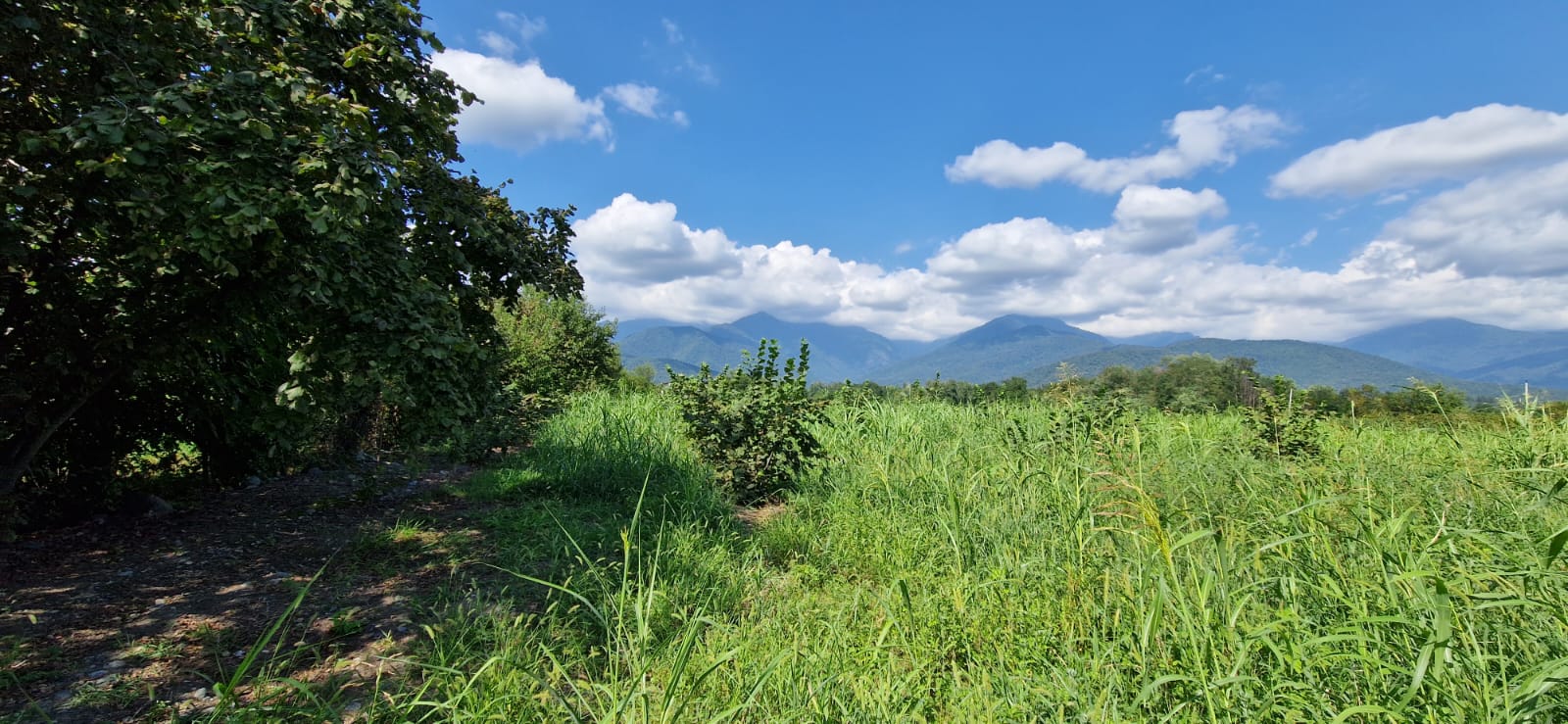
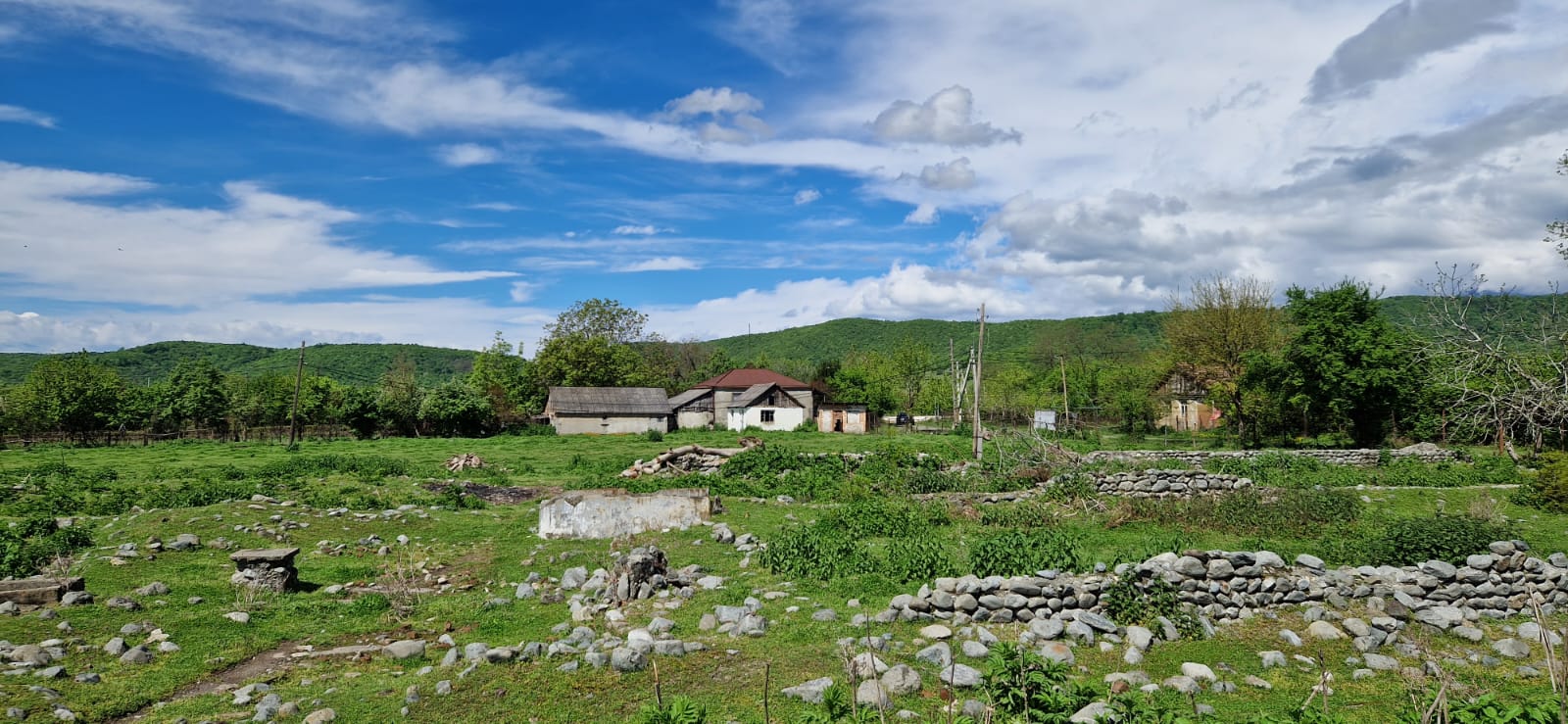
Location: Ninigori village, Lagodekhi Municipality, Kakheti region. Approximately 2.5 hours from Tbilisi, which is easily accessible via asphalt road.
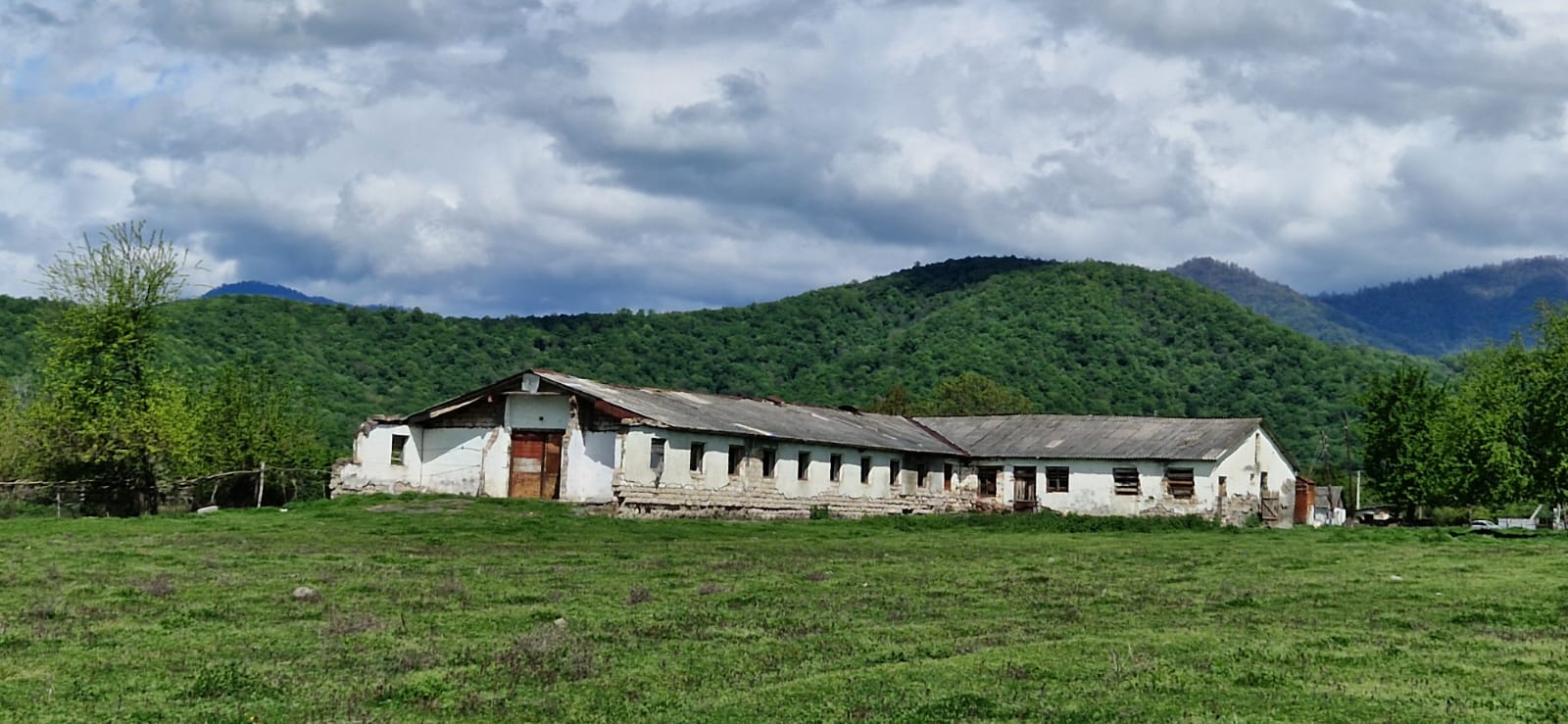
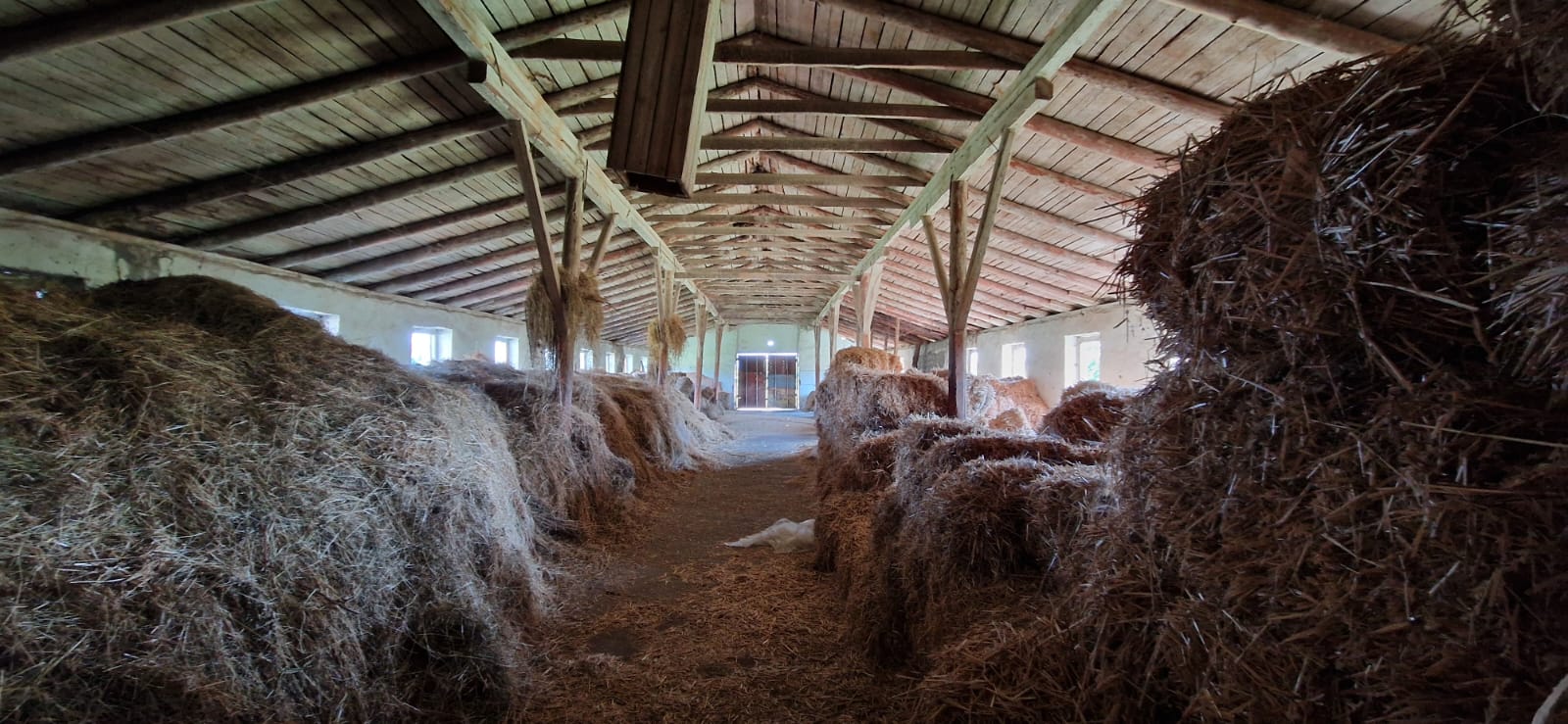
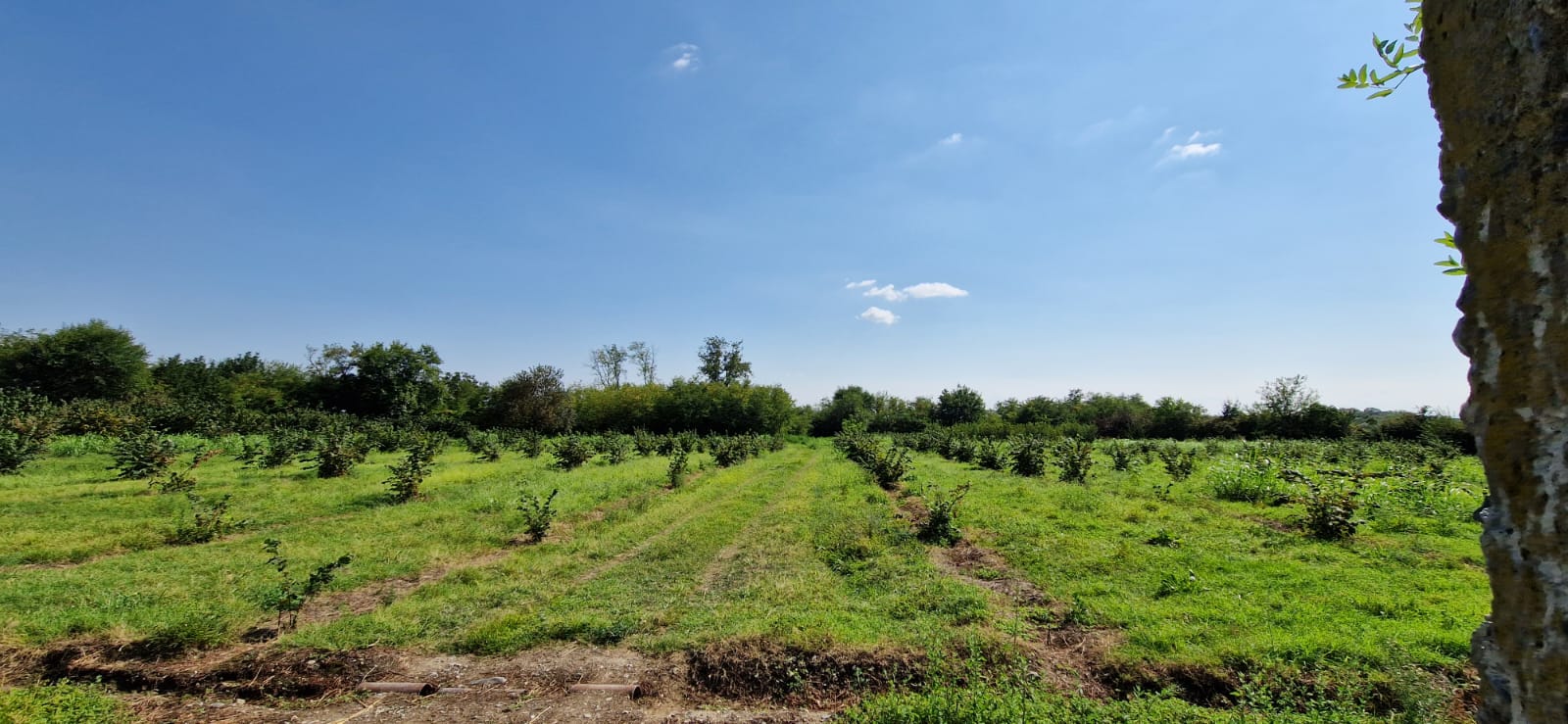
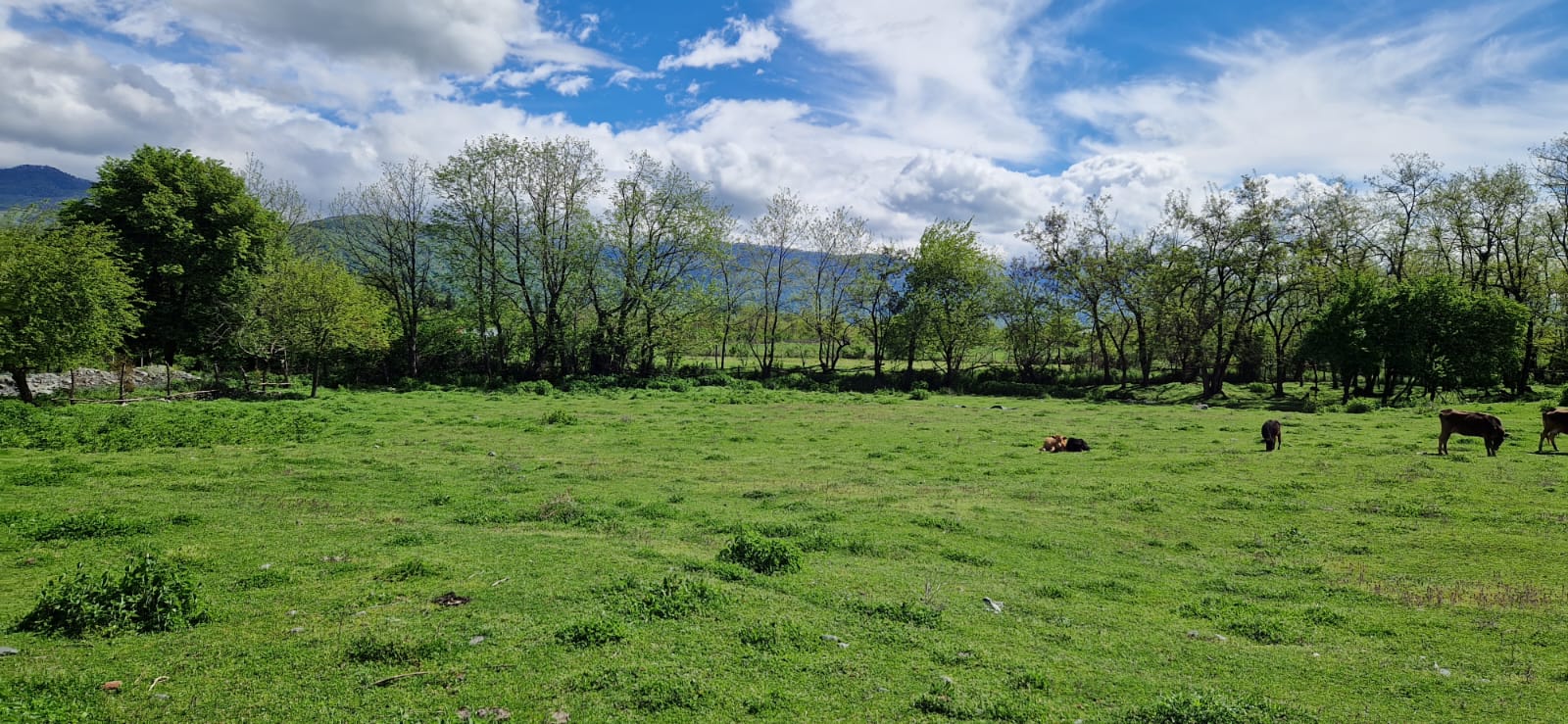
Size: 6.5 hectares and includes a sizable ~1000m2 cattle farm building.
Infrastructure: Essential amenities are available such as gas, electricity, water (including a functioning irrigation system), and internet access. It is also conveniently located near school, shops and provides a direct connection to the village.
Climate: The climate in the area around Lagodekhi is sub-tropical (kiwi, watermelon, citruses, grapes, wheat, different types of herbs and vegetables are growing, and time to time you can even find a banana tree), it’s warm in summertime but the fresh mountain air ensures a great balance between dryness and humidity.
“This place has everything necessary to create an ecovillage in Georgia. It is both beautiful and convenient. It would be challenging to find a better location.”
Samuel
Ecovillage Georgia Team member
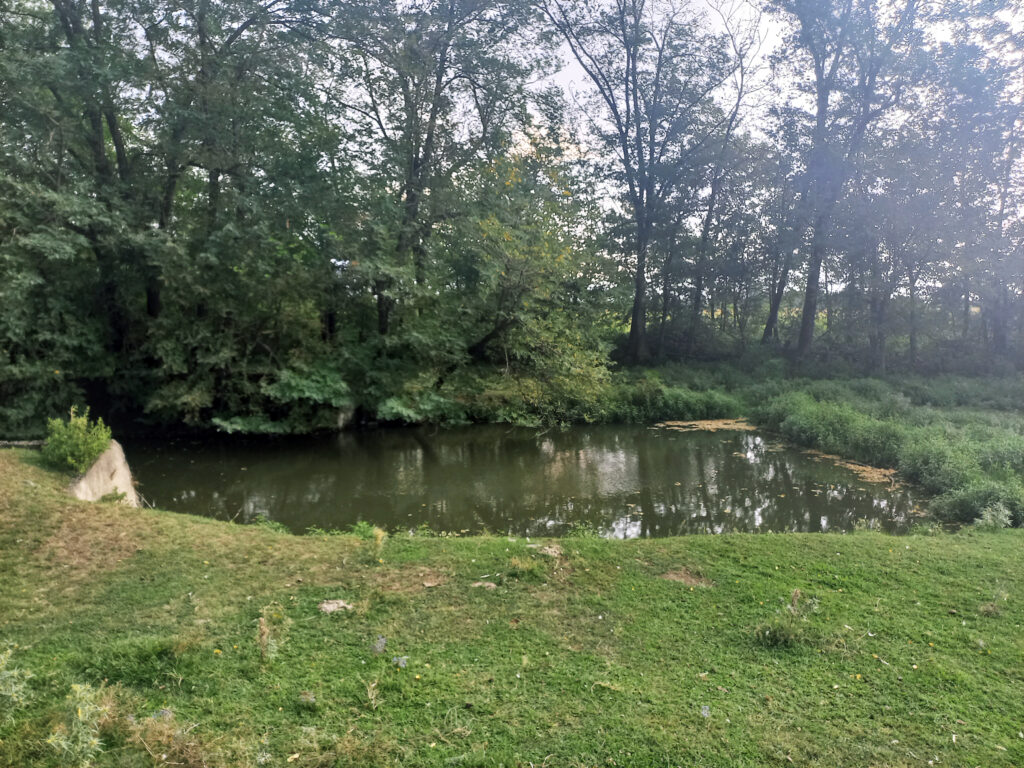
Water Access: We get drinking water straight from the mountains through a simple water supply system. A small stream flows along the edge of the forest, providing water for irrigation and fun. Additionally, there is an artificial pond on the property.
Building/Potential Community Center: We already partly renovated the large farm building and use it as a community center and guest house. There is a well equipped kitchen and renovated social space. We stay in tents in the barn, and during winter in the heated living room. We have a beautiful urine diverting dry toilet inside and a solar shower for summer use. More bedrooms and a proper bathroom are in the planning for 2026.
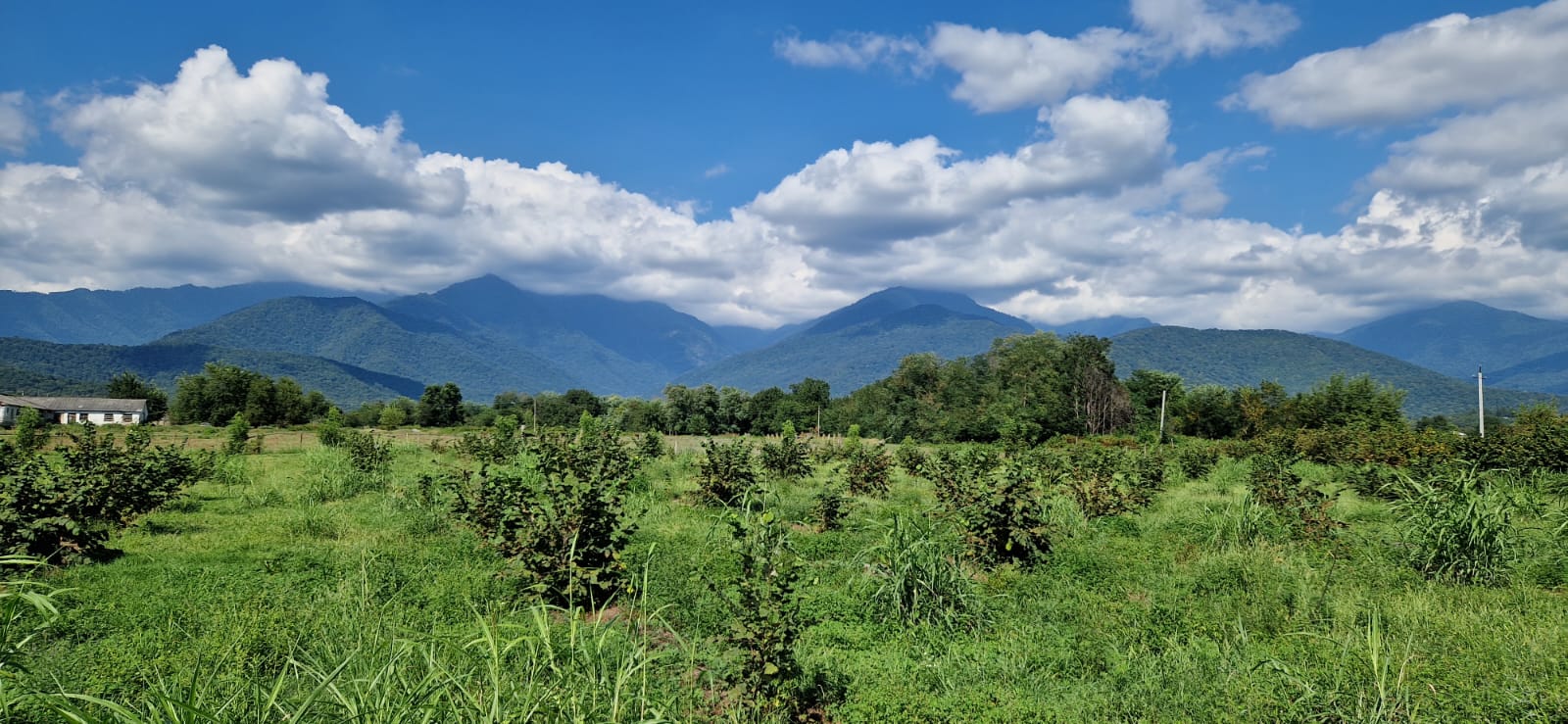
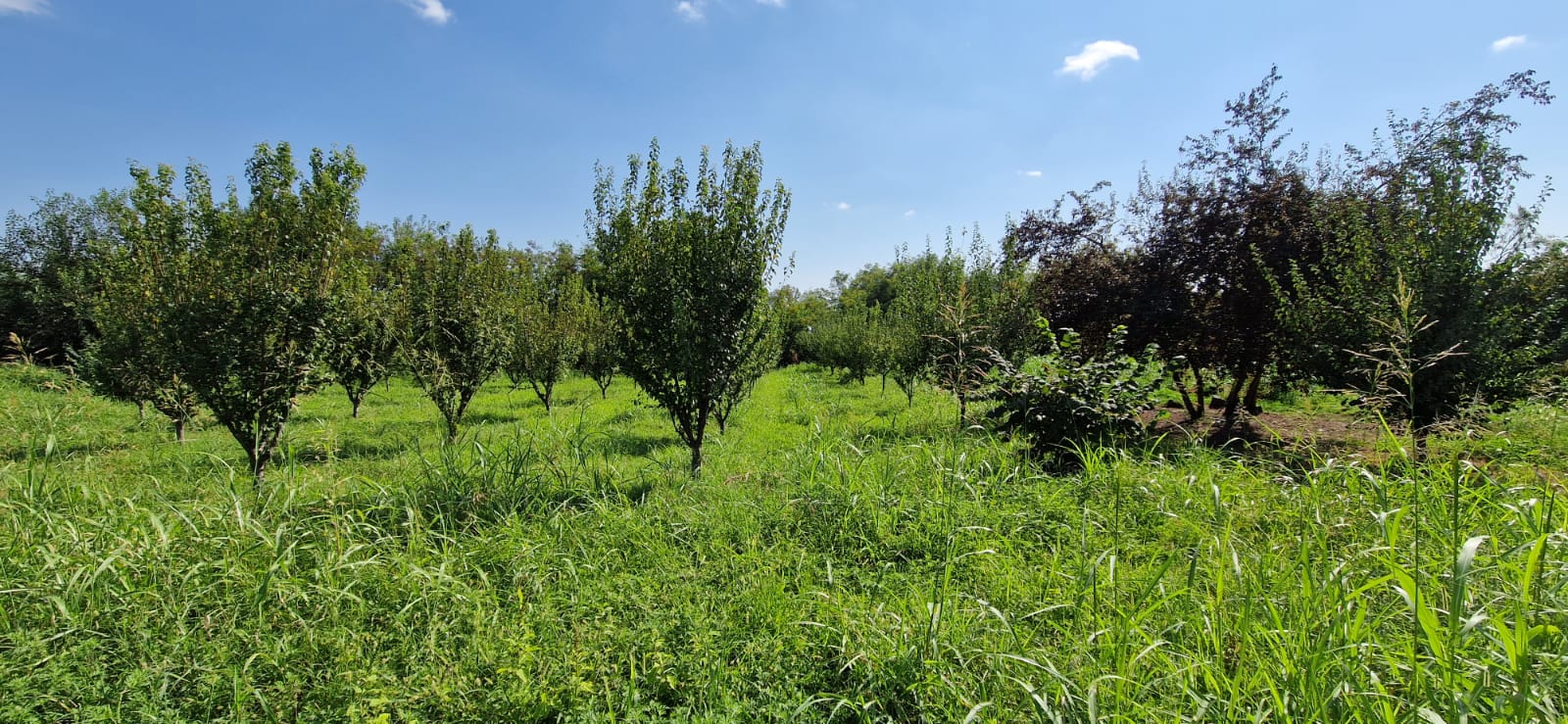
Community Garden and Small Forest:
Organic and pesticides free: We grow a large share of the food for ourselves and our guests. We believe that we can support ourselves, our land and the life we share it with best by using organic and permaculture principles. That means not using pesticides or chemical fertilizers, but instead work with nature, enhancing natural predators, intercropping, composting, and using plant tinctures when we observe an issue. We noticed that neighboring communities, especially women farmers are very interested in reducing their use of chemicals too. Therefore, we have published a brochure to inform local farmers and other interested people about the dangers of pesticides and inspire them to try alternative methods to manage plant health while actually improving their results. Download it here or contact us for a hard copy.
Subscribe to our newsletter
Receive occasional updates on our latest advancements and the projects we’re bringing to life.
Interested in our project?
Whether you’re interested in becoming a resident in the village, volunteering, or if you have any questions, don’t hesitate to contact us. We’d love to hear from you.